


Moving forward with knowledge
You have been diagnosed with ROS1+ NSCLC. To better understand your unique type of cancer, we need to take a closer look at what NSCLC is. NSCLC is the most common type of lung cancer (about 80% to 85% of cases), but not all lung cancers are the same.
Understanding NSCLC
Lung cancer happens when cells in the lungs change (or are abnormal) and grow out of control. These extra cells can form a lump, called a tumor, in the lungs.
 Lungs with a tumor
NSCLC is considered locally advanced at stages 3A, 3B, and 3C, or metastatic at
What is a biomarker test?
For people with NSCLC, a full biomarker testing panel is important because it may help find specific genetic changes (also called alterations) or proteins in your cancer cells. Biomarker test results can help your healthcare provider find what may be causing your cancer to grow and which treatment choices may be most appropriate for you.
To check for biomarkers, a biopsy is performed where either blood or a tissue sample is taken and is sent out for further laboratory testing. You may have already had a tissue biopsy that was used to diagnose NSCLC. The tissue sample may also be used for biomarker testing.
Common ways to do a biopsy include:
- Tissue biopsy: a small piece of the tumor is removed and tested
- Liquid biopsy: a sample of the blood is collected and tested
What is ROS1+ NSCLC?
After testing for biomarkers, your healthcare provider likely found that your cancer is ROS1+. This is a type of lung cancer where the ROS1 gene is altered (or abnormal) and causes the cancer to grow in an unusual way.
A ROS1 alteration can happen to anyone. This alteration occurs in a small number of people with lung cancer and often affects people who haven’t smoked or smoked very little. People diagnosed with ROS1+ NSCLC tend to be younger compared to the typical age of those with other types of NSCLC.
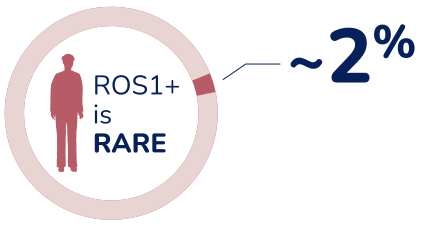
About 2% of people with NSCLC have cancer that tests positive for ROS1.
Although ROS1+ NSCLC is a rare condition, you aren’t alone. There are others just like you who are navigating this journey, learning as much as they can about their diagnosis and finding ways to move forward.
How is ROS1+ NSCLC treated?
There are targeted therapies called tyrosine kinase inhibitors (TKIs) designed specifically to target ROS1.

TKIs are a nonchemotherapy option that work differently from immunotherapy or chemotherapy. These ROS1-targeted therapies block the altered ROS1 signal, helping to slow down or stop the growth of cancer cells.
IBTROZI is a targeted oral therapy specifically designed for advanced ROS1+ NSCLC and is not chemotherapy
Information found online and through AI may provide general information that may not apply to your specific medical needs. Please consult your healthcare provider regarding diagnosis, symptoms, or treatment decisions.
NSCLC=non-small cell lung cancer; ROS1+=ROS proto-oncogene 1–positive.

NSCLC
IBTROZI® (taletrectinib) can cause side effects, some of which can be serious, life-threatening or fatal. Side effects in clinical trials included liver problems, lung problems, changes in the electrical activity of the heart, increased uric acid in the blood, muscle problems, bone fractures, and harm to an unborn baby (if given to a pregnant woman). For more on risks see IBTROZI.com/#isi.